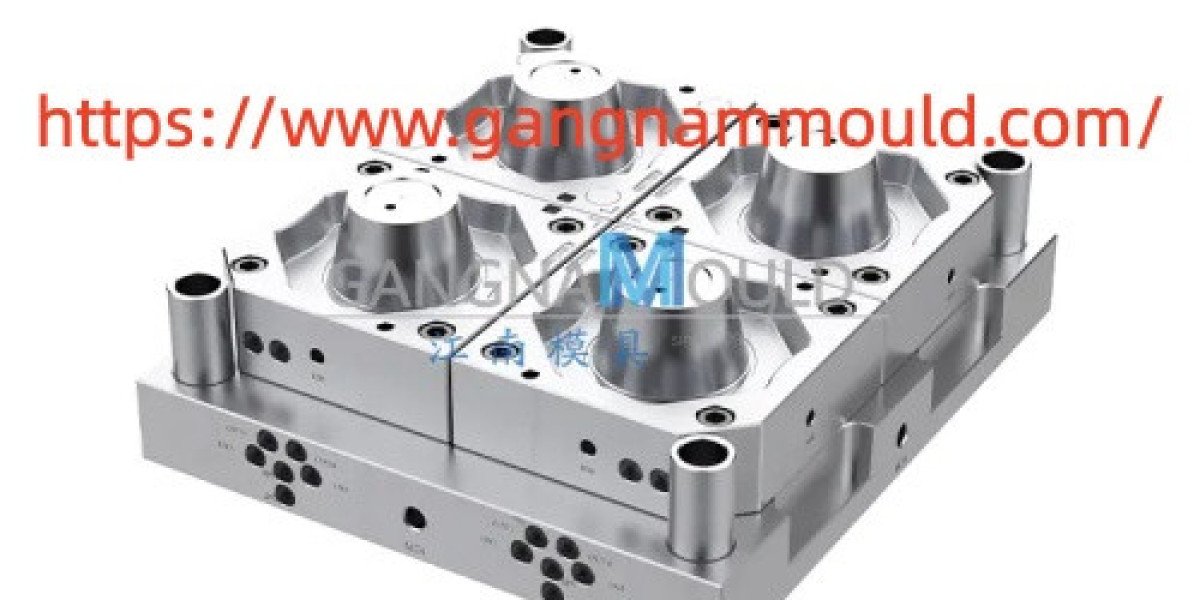

Plastic Kitchenware Mould selection can influence the way a new product moves from design to mass production, so buyers should evaluate more than the initial quotation. A suitable solution needs to match the intended product structure, material characteristics, production volume, dimensional requirements, and expected service conditions. Looking carefully at these factors before placing an order can help reduce later adjustments and support a more predictable manufacturing process.
The first point to review is the product design itself. Wall thickness, corners, ribs, handles, openings, surface details, and other structural features can affect how material flows during processing. A design that looks simple on a drawing may still require careful consideration when converted into tooling. Buyers should therefore provide accurate drawings or three dimensional files and communicate important functional requirements at the beginning of the project. Early discussion gives the manufacturer an opportunity to identify possible production concerns before fabrication starts.
Material selection is another practical consideration. Different grades of steel can provide different levels of wear resistance, machining performance, thermal behavior, and maintenance convenience. The appropriate choice depends on expected production volume, material characteristics, product dimensions, and operating conditions. Buyers should ask about the proposed steel grade and understand why it has been selected for the project rather than making a decision based only on price.
Cooling deserves particular attention because temperature control can influence cycle stability and dimensional consistency. An effective cooling layout should be planned according to the geometry of the product and areas where heat may accumulate. Poorly considered cooling arrangements can contribute to uneven shrinkage or longer processing cycles. During technical discussions, buyers can request information about cooling channel placement and assess whether the proposed structure suits the product design.
The ejection system is also worth examining. Household items may contain thin walls, deep sections, handles, or detailed surfaces that require controlled removal from the cavity. A suitable ejection arrangement can help reduce deformation and make repeated operation easier. Buyers should consider whether ejector locations could leave unwanted marks on visible surfaces and whether the system allows convenient maintenance after extended use.
Surface treatment and finishing should match the appearance required by the final product. Some items may need a smooth finish, while others may require a textured surface for grip or visual effect. The finishing method should be discussed before machining is completed because later changes may require additional work. Clear communication about appearance standards can also make sample inspection more straightforward.
Another important factor is maintenance. A well planned structure should allow technicians to access wear parts, cooling components, ejector elements, and other service areas without unnecessary disassembly. Buyers should ask about replacement parts, maintenance procedures, and expected inspection points. These details may not appear significant during purchasing, but they can influence operating convenience over a longer production period.
Production quantity should also guide the purchasing decision. A project intended for regular high volume manufacturing may require different construction considerations from a short production run. Buyers can discuss expected annual output, cycle expectations, material type, and machine conditions with the manufacturer. This information helps the technical team select a structure that aligns with actual operating needs rather than relying on general assumptions.
Communication is equally important throughout the project. Clear technical drawings, confirmed dimensions, material information, sample requirements, and inspection standards can reduce misunderstandings between both sides. Gangnammould works with buyers by focusing on project details and practical manufacturing requirements, helping customers move through design discussion, tooling development, sampling, and production preparation with clearer communication.
Before making a final decision, buyers can compare technical proposals instead of looking only at the quoted cost. Steel specifications, cavity configuration, cooling design, ejection structure, finishing requirements, inspection methods, delivery planning, and after sales support all deserve consideration. A balanced evaluation makes it easier to understand the actual value of a tooling project and identify a solution that matches the intended application.
For buyers planning a new household product project, reviewing available solutions and technical capabilities can be a useful next step. Gangnammould provides tooling options for different product requirements, with project discussions focused on practical design and manufacturing considerations. Buyers can view related product information at https://www.gangnammould.com/product/ and contact the manufacturer when they are ready to discuss drawings, specifications, or production requirements.






